

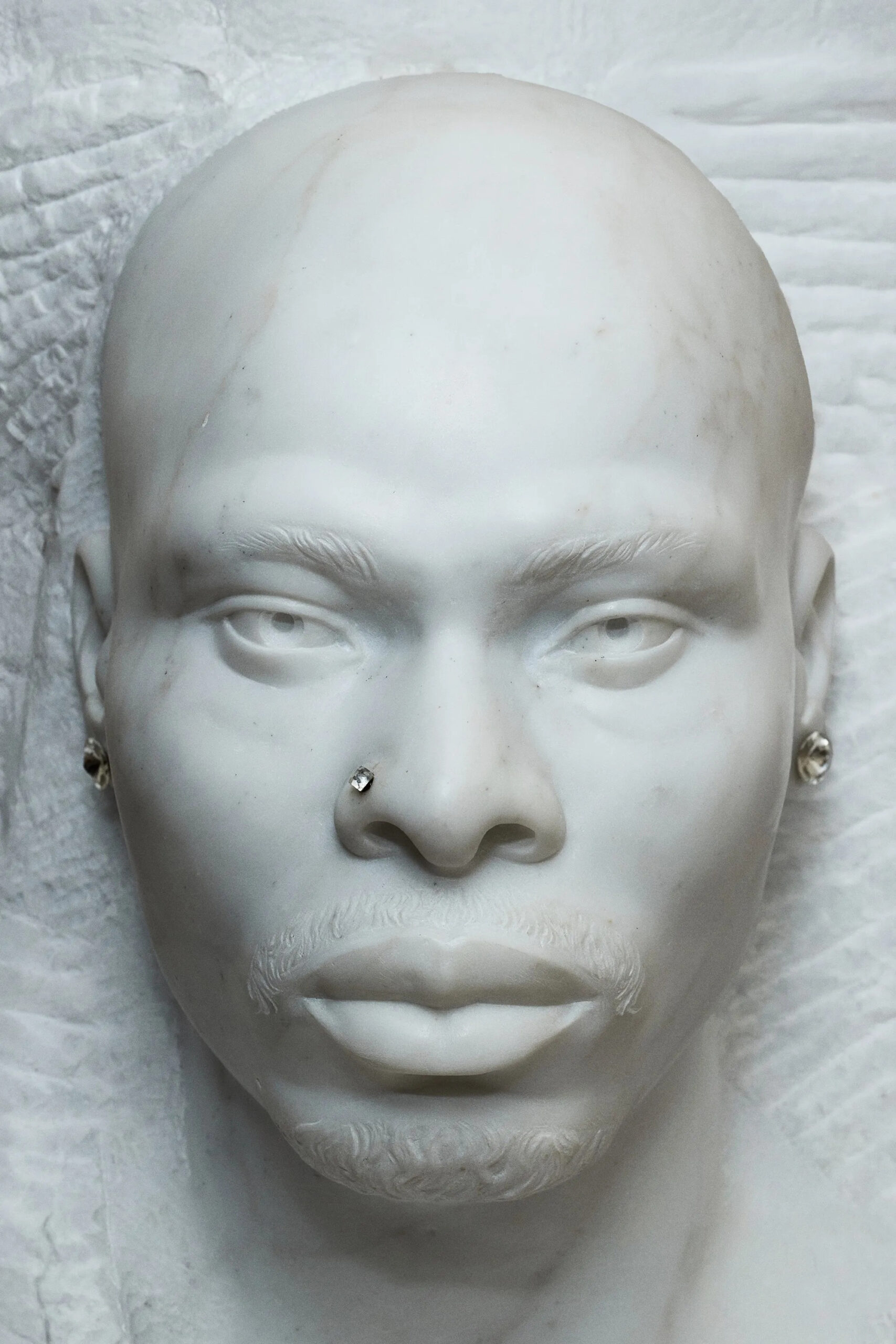
After years under YBNL, the label that helped turn him from a breakout street-pop artist into one of the biggest names in Afrobeats, he stepped into independence with the launch of Giran Republic. Naturally, expectations shifted. People weren’t just waiting for another Asake album, they were waiting to hear what Asake sounds like when there’s nobody else shaping the room around him.
What M$NEY delivers is surprisingly calm.
The urgency that defined his earlier music is still there in flashes, but it no longer drives the project. Instead, the album leans into smoother arrangements, softer textures, jazz-inspired instrumentation, and a more spiritual atmosphere. The drums hit less aggressively. The chants sit further back. The music breathes more.
For some listeners, that restraint will feel mature. For others, it may feel too safe.
That tension sits at the centre of the album.

Asake built his identity on controlled chaos. His best records always felt alive, crowded with movement, layered with slang, packed with rhythm changes and melodies that sounded like they were fighting for space. Even when the music was polished, there was still grit underneath it.
On M$NEY, the rough edges are mostly gone.
Tracks like Rora and Oba move with ease, almost floating instead of exploding. The production is beautiful in places, but sometimes too comfortable. Earlier Asake projects pulled listeners into the middle of the street. This album often feels like observing the street from a distance.
The spiritual direction also changes the tone of the project significantly.
Religion has always existed inside Asake’s music, but previously it felt woven naturally into his worldview, prayers beside flexes, gratitude beside ambition. Here, spirituality becomes the main language of the album. Songs like WORSHIP, Gratitude, and Forgiveness lean heavily into devotional themes, while the presence of the Soweto Spiritual Singers gives the project a more ceremonial feel.
The issue isn’t the subject matter itself.
It’s that the writing rarely becomes specific enough to fully connect emotionally.
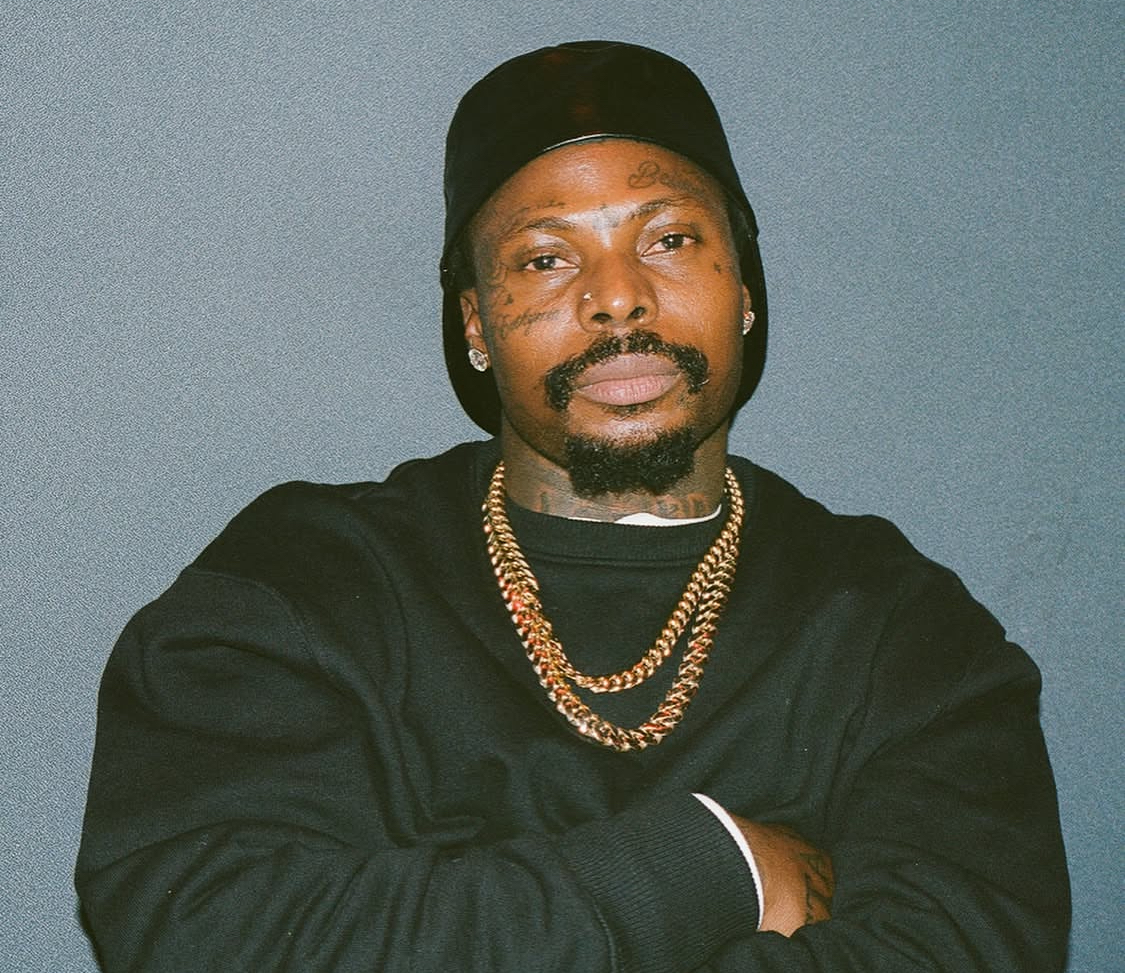
Asake has never been the kind of artist who writes long personal confessions, and he doesn’t need to be. His strength has always been atmosphere, feeling, and instinct. But spirituality is harder to communicate through broad statements alone. At times, the album gestures toward depth without fully stepping into it.
What makes this interesting is that M$NEY is technically Asake’s most liberated album so far. He’s independent now. The expectations of label structure should feel lighter. Yet this is his most careful project.
The album sounds designed to be accepted everywhere. The production is globally polished, the themes are broad enough to connect across audiences, and the pacing rarely becomes difficult or uncomfortable. But Asake’s earlier work became powerful because it didn’t always sound interested in comfort. There was tension in it. Hunger. Noise. Personality spilling over.

That version of Asake only appears briefly on M$NEY.
Still, the album isn’t empty. It’s cohesive, controlled, and easy to replay. There are moments where the lighter production works beautifully, and some listeners will connect deeply with the reflective tone. But for an artist whose rise was built on unpredictability and force, M$NEY feels less like a reinvention and more like someone choosing stability over risk.
Maybe that’s intentional. The more interesting question is whether this becomes a transition album, or the permanent direction of Asake’s next era.







No Comments